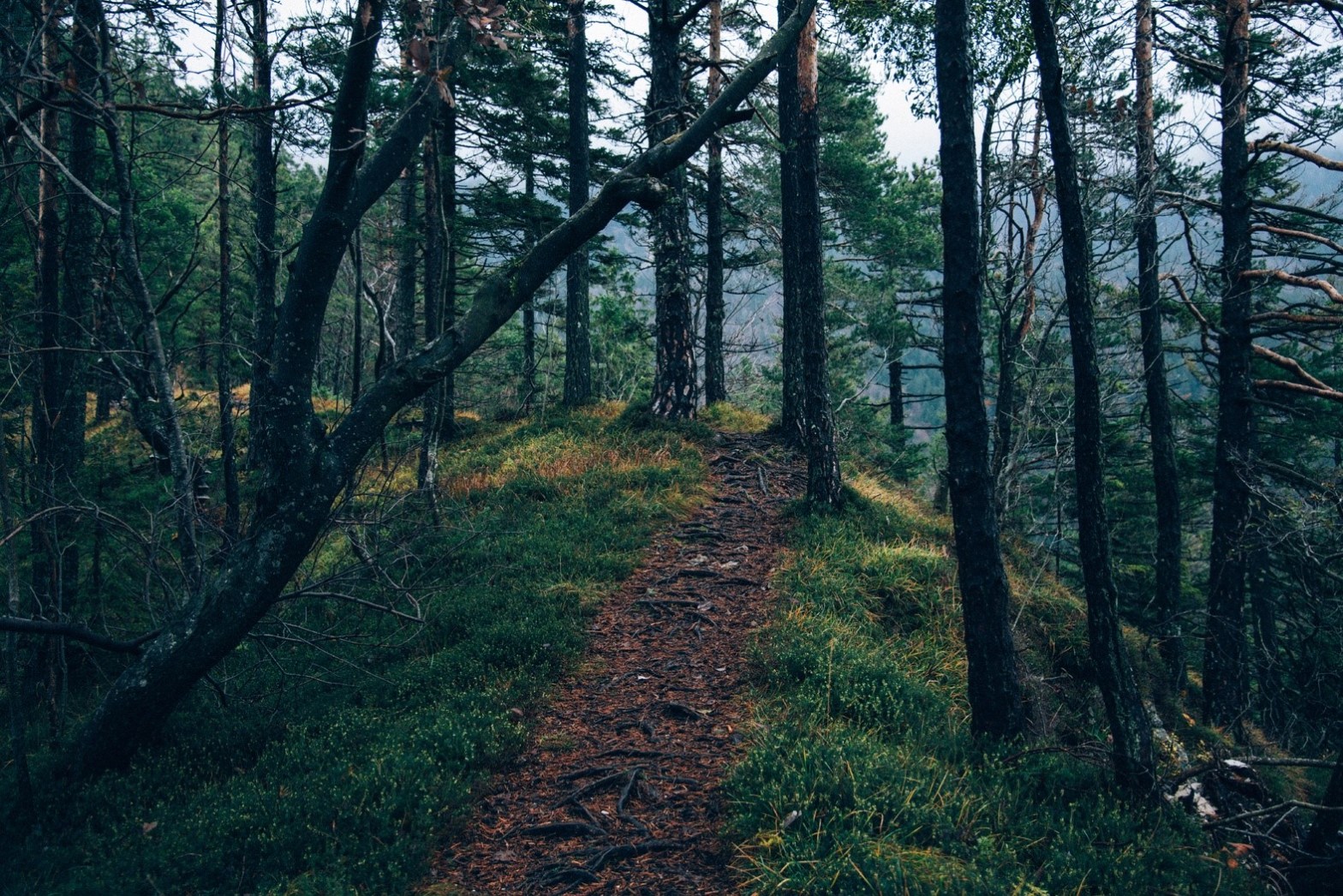
Rewilding is ‘returning to a state of wildness’. As human beings, we have evolved as people that are able to survive in the wild, depending on the natural world around us. At the same time, we have also changed the world around us, to make our survival easier. We have domesticated plants and animals, so they could produce food for us. We have built houses and cities to live more comfortably, and we built up elaborate social systems to be able to live together with large numbers of people. For many, this has brought prosperity and happy and healthy lives.
But every gain comes with a loss. The world we live in is built on exploitation. We use plants, animals and other natural resources to our benefit, but to such an extent that we are slowly destroying the natural world we all depend on. We fill our houses with furniture, clothes, shoes and the latest gadgets – all produced at the other side of the world by people we don’t know. Only the ‘happy few’ can enjoy this level of comfort and prosperity. Our social and economic systems are build on exploitation of not only natural resources, but also of people.
We have also lost our deep connection with the natural world around us. Since we no longer feel like we depend on it directly – our food comes from the supermarket, and if it’s cold we just switch on the heater in our homes – we might see the natural world as just a nice green backdrop to our daily lives. Or not even notice it at all. This affects our health and our happiness. Millions of years of evolution can not be made undone by just the few hundreds of years it took to change our societies into the modern world we live in now. We are still the ‘wild’ people we used to be. It is in our genes, in our brains and in our bodies.
This means we still have both the skills and the needs of our wilder ancestors. The needs are there, and the skills can be developed. As human beings, we need to move a lot more than we do now. We have the innate skills to walk long distances, to run, to climb, to hang from branches. Instead, we spend most of our time sitting at a desk or on a couch. We have eyes that can spot a prey or an edible plant from far away. Instead, we look at screens most of the time. We have feet that are perfectly developed to walk or even run over uneven terrain, without the protection of sturdy shoes.
Wouldn’t it be great if we could try and get some of those skills back and at the same time fulfill our need to be closer to nature? To me, that is how we can begin to rewild ourselves. It all starts with spending more time outdoors, in all kinds of weather. Being outdoors keeps you moving and helps you connect to the world around you. Try and learn the names of as many plants and animals as you can – they will become your non-human friends you’ll meet everywhere. Find out what is edible and what isn’t and you’ll always have something to snack on when you’re outdoors. Going for a (long) walk is a great way to combine natural movement with increasing your knowledge of the natural world around you.
Hence the Dutch Nature Hikes. They are intended to help you connect with nature and people, while walking a nice long distance. It is good for your body ánd your soul. Rewilding the world starts by rewilding yourself, step by step.
 Rewild Yourself